


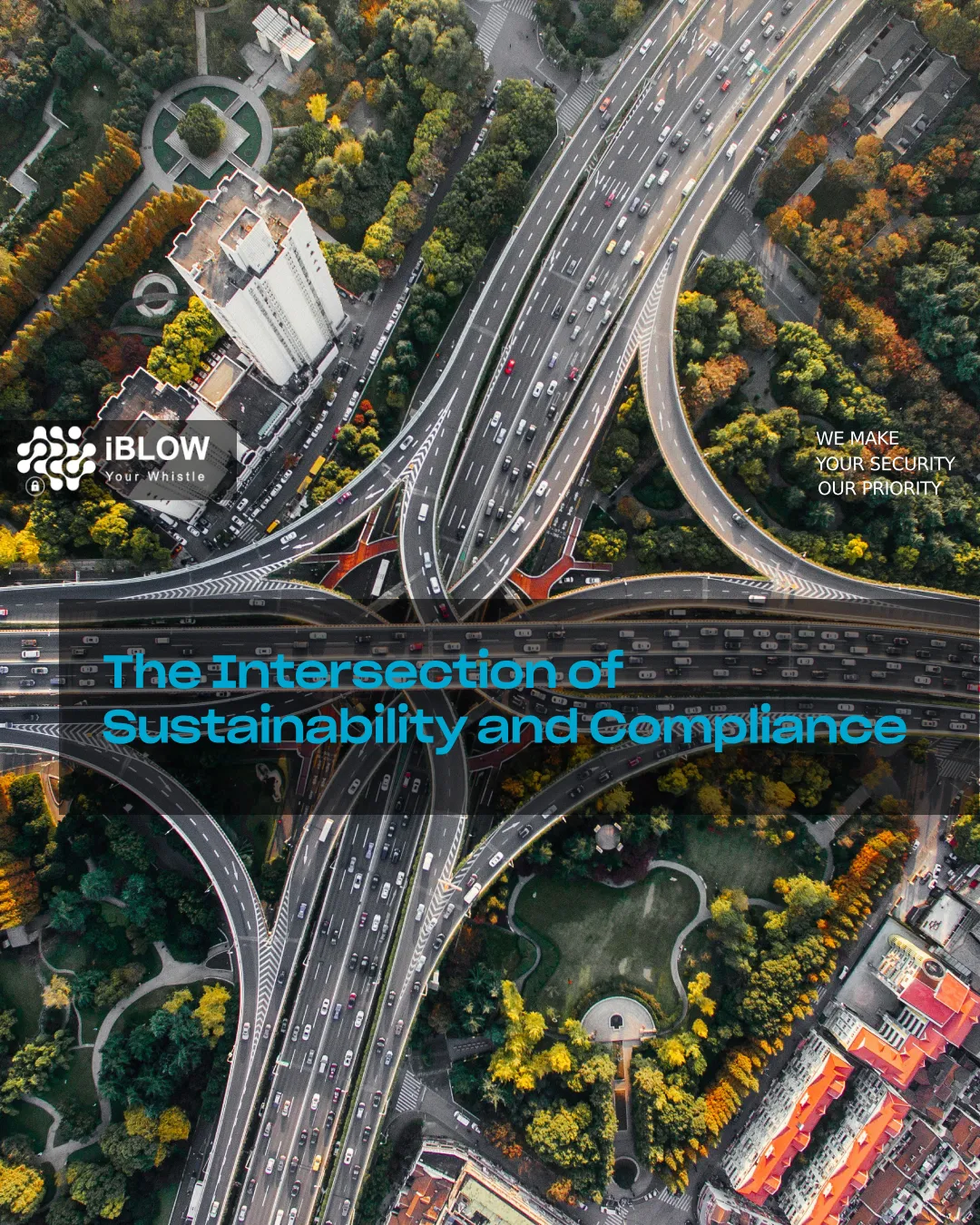
In recent years, sustainability has become one of the central themes in discussions about corporate responsibility, which already tells us something about the importance of the intersection of sustainability and compliance.
The pressure to adopt sustainable business practices comes not only from more conscious consumers, but also from regulators and investors who seek to ensure that companies are aligned with sustainable development objectives.
In this scenario, the intersection of sustainability and compliance emerges as a significant challenge and opportunity for organizations.
In this article, we will explore how sustainability initiatives are being integrated into compliance programs, discussing the main environmental regulations, the importance of compliance and how companies can balance the promotion of sustainable practices with regulatory compliance.
1. The Growing Role of Sustainability in Business
Sustainability is no longer an option, but a necessity. Companies face a growing expectation from both the public and regulatory authorities that their operations respect the environment and contribute to social well-being. Businesses that fail to adopt these practices run the risk of losing competitiveness, facing sanctions and even damaging their reputation.
What’s more, many companies realize that sustainability is not at odds with financial success; on the contrary, it can improve efficiency, reduce costs and open up new market opportunities. Adopting clean technologies, energy efficiency and reducing waste are just some of the practices that can benefit both the environment and an organization’s bottom line.
1.1 Sustainability as a Competitive Advantage
For many companies, sustainability has become a competitive advantage. Companies that demonstrate a genuine commitment to sustainable practices can gain the trust of consumers who value the environmental impact of the products they consume. In addition, investors are increasingly considering environmental, social and governance (ESG) performance as essential criteria for investment decisions.
Therefore, aligning sustainability with compliance is not just a matter of avoiding penalties, but also of seizing opportunities to improve the company’s reputation and financial performance.
2. The relationship of sustainability and compliance
Compliance refers to an organization’s adherence to the laws, regulations and standards applicable to its activities. When we talk about sustainability in the context of compliance, we are dealing with compliance with regulations aimed at protecting the environment and promoting sustainable business practices. This concept can include a wide range of areas, such as waste management, carbon emissions, use of water resources and social responsibility.
The intersection of sustainability and compliance is a rapidly expanding area, especially as governments and international organizations increase their efforts to combat climate change and promote responsible business practices.
2.1. Expanding environmental regulations
Various environmental regulations have emerged in response to the challenge of climate change and environmental degradation. These regulations aim not only to protect the environment, but also to encourage companies to develop innovative solutions that contribute to a more sustainable future. Some of the main regulations include:
Carbon emissions regulations:
Countries and economic blocs, such as the European Union, have implemented emissions trading systems and other measures to reduce the carbon footprint of industries.
Waste management:
Companies are coming under increasing pressure to reduce waste, with strict requirements regarding the treatment of hazardous waste and the recycling of materials.
Use of water resources:
Water scarcity is a growing concern and several jurisdictions have implemented regulations to ensure that companies use this resource efficiently and responsibly.
Transparency and ESG Reporting:
Many companies are now required to report on their performance in environmental, social and governance areas, providing greater transparency for investors and other stakeholders.
2.2. Compliance with the Sustainable Development Goals (SDGs)
The United Nations Sustainable Development Goals (SDGs) provide a framework for companies to align their efforts with global sustainability goals. Although non-binding, the SDGs are widely accepted as a guide for creating sustainable business strategies, and many companies adopt these goals as part of their compliance commitment.
Among the most relevant SDGs for companies are:
- SDG 7: Affordable and Clean Energy;
- SDG 9: Sustainable Industry, Innovation and Infrastructure;
- SDG 12: Responsible Consumption and Production;
- SDG 13: Climate Action.
Companies that adopt practices in line with the SDGs are often able to anticipate future regulations and stay ahead of the competition, demonstrating leadership in the field of sustainability.
3. Benefits of Integrating Sustainability into Compliance
Integrating sustainability into compliance programs offers numerous benefits to companies, from a legal, operational and strategic point of view. Below are some of the main benefits:
3.1. Risk Reduction
Adhering to environmental regulations and implementing sustainable practices helps companies reduce the risks associated with legal penalties and reputational damage. Complying with environmental regulations can avoid heavy fines, and a proactive approach to sustainability can help prevent environmental crises that directly affect the company’s operations.
3.2 Improving Operational Efficiency
Sustainability is not just about regulatory compliance, but also about optimizing resources. Many sustainable practices, such as waste reduction or energy efficiency, lead to a reduction in operating costs. Companies that invest in clean technologies and energy management systems often reap the benefits in terms of efficiency and long-term cost savings.
3.3. Increased Transparency and Reputation
Companies that adopt a transparent and sustainable compliance approach gain the trust of consumers, investors and other stakeholders. The growing importance of ESG (environmental, social and governance) reporting reflects the demand for greater transparency about business practices. Companies that are clear about their sustainability efforts are better placed to attract investors and maintain a positive reputation in the market.
3.4 Innovation and Competitive Advantage
A focus on sustainable practices can encourage innovation. Companies that focus on developing more environmentally friendly products and processes can distinguish themselves from the competition and attract new markets. In addition, companies that lead the way in sustainability are often seen as more responsible and trustworthy, which can bring commercial benefits, such as access to new contracts and partnerships.
4. Challenges of Integrating Sustainability and Compliance
Despite the many benefits, integrating sustainability into compliance programs is not without its challenges. Some of the main difficulties companies face include:
4.1. Regulatory Complexity
The proliferation of environmental regulations at a global and local level can make compliance a complex and costly process. Companies operating in multiple countries must deal with a wide range of regulatory requirements, each with its own specificities and application processes.
4.2. Initial Cost of Implementation
Although adopting sustainable practices often leads to long-term efficiency, the initial cost of implementation can be significant. Investments in clean technologies, energy management systems or recycling processes can be costly, especially for small and medium-sized companies.
4.3. Internal Cultural Change
Implementing a culture of sustainability within the organization can be a challenge, especially if employees are unfamiliar with the concepts or don’t see the value of sustainable initiatives. Change management is essential to ensure that compliance and sustainability programs are accepted and integrated into daily processes.
5. Strategies for aligning sustainability and compliance
To overcome the challenges of integrating sustainability and compliance, companies must adopt a strategic approach. Below are some suggestions to facilitate this alignment:
5.1. Creating a Multidisciplinary Team
Forming a team that combines compliance and sustainability expertise can ensure that strategies are aligned. This team should work together to identify the main environmental risks and compliance opportunities.
5.2. Adopt Technology to Monitor and Manage Compliance
Technology can be a great ally in managing compliance and sustainability. Risk and compliance management platforms can help monitor compliance with regulations and collect relevant data for ESG reporting, facilitating the process of transparency and management.
5.3. Invest in Training and Awareness-Raising
Companies should invest in educating their employees, helping them to understand the importance of sustainable practices and how they relate to compliance. Workshops, training and awareness campaigns can be effective tools for creating an organizational culture in line with sustainability principles.
Conclusion
The intersection of sustainability and compliance represents a significant opportunity for companies to modernize their operations and become more competitive, while fulfilling their legal and ethical responsibilities. As environmental regulations become stricter and social pressure for responsible business practices increases, companies that position themselves proactively have a lot to gain.
Adopting a holistic approach that integrates sustainability into compliance programs is a crucial step towards ensuring long-term success for both the company and the planet.
See other articles that may be of interest to you.
We hope you enjoyed this article.
Thank you!