In any democratic society or ethical workplace, the ability to report misconduct is fundamental to accountability and integrity.
Whistleblowers—individuals who expose wrongdoing within organisations—play a crucial role in promoting transparency, uncovering fraud, and safeguarding public interest.
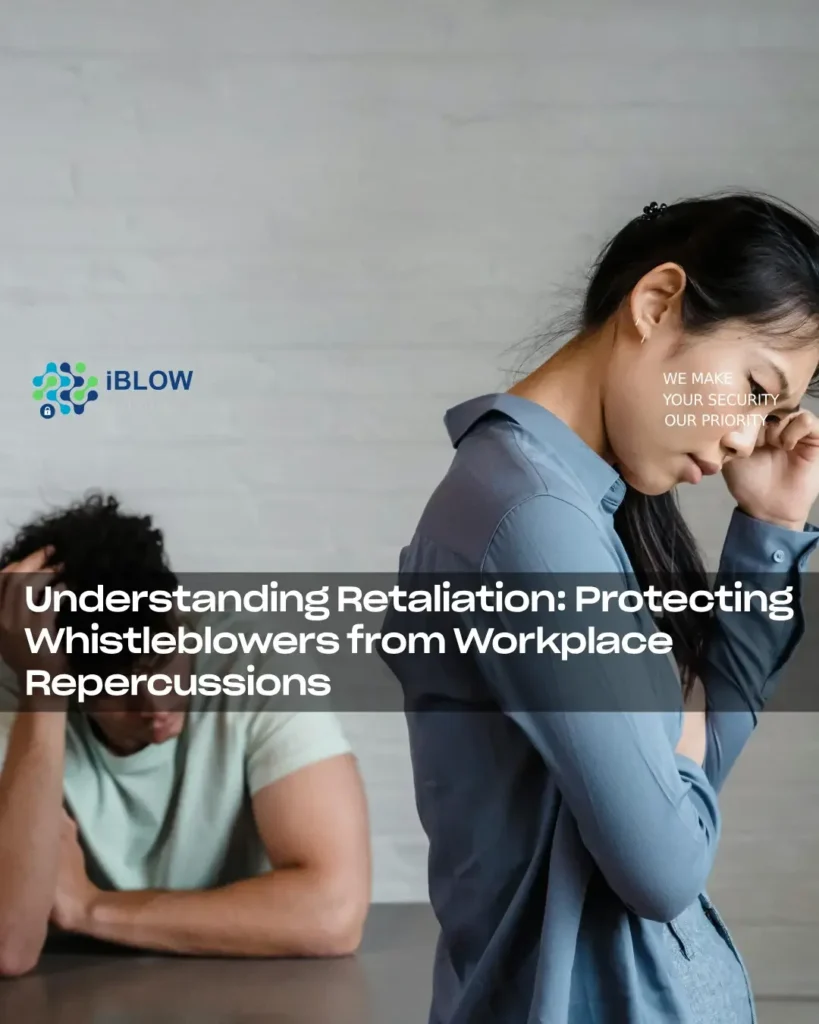
However, despite growing legal protections, many whistleblowers still face retaliation that can severely affect their careers, well-being, and personal lives.
This article explores the various forms of retaliation whistleblowers may experience, the psychological and professional toll it can take, and how employers, policymakers, and institutions can proactively prevent and respond to such adverse actions.
Retaliation against whistleblowers refers to any adverse treatment or action taken against an employee as a direct consequence of their decision to report unethical or illegal activity.
This mistreatment can be overt or subtle, immediate or delayed, and can occur even when the whistleblower’s claims are substantiated and made in good faith.
Under EU Directive 2019/1937 on the protection of persons who report breaches of Union law, retaliation is explicitly prohibited.
Yet, many whistleblowers still suffer retribution due to weak enforcement mechanisms or insufficient organisational awareness.
Retaliation can take many shapes, and understanding its diverse manifestations is essential for detecting and addressing it effectively.
One of the most direct forms of retaliation is the termination of employment or demotion.
Whistleblowers might be dismissed under the guise of redundancy, poor performance, or restructuring, effectively punishing them for speaking up.
After reporting misconduct, whistleblowers often find themselves receiving unjustifiably poor performance evaluations.
These assessments can damage career progression and tarnish professional reputation.
Colleagues may distance themselves from whistleblowers due to fear of association or perceived disloyalty.
This social exclusion can create a hostile work environment and severe emotional distress.
Some whistleblowers face verbal abuse, bullying, or intimidation by supervisors or co-workers.
This may involve threats, derogatory remarks, or subtle psychological manipulation.
Employers may strip whistleblowers of meaningful duties, reassign them to menial tasks, or isolate them from team communications.
These actions signal disapproval and discourage others from following suit.
In certain industries, whistleblowers may find themselves unofficially blacklisted, making it difficult to secure future employment.
References may be withheld or deliberately negative, further limiting opportunities.
Whistleblowers who endure retaliation frequently report increased levels of stress, anxiety, depression, and even post-traumatic stress disorder (PTSD).
The feeling of betrayal by one’s employer and peers can lead to long-term psychological trauma.
Loss of income through dismissal or demotion can destabilise a whistleblower’s financial situation.
Legal battles, job searches, and the inability to return to a similar position compound the hardship.
Retaliation often includes efforts to discredit the whistleblower.
Tarnished reputations can persist even after vindication, affecting future employment and personal relationships.
Organisations must implement clear, accessible whistleblowing policies aligned with the EU Whistleblower Protection Directive.
These policies should outline reporting procedures, confidentiality assurances, and the consequences of retaliation.
Employees should have access to secure and anonymous channels to report wrongdoing.
Digital platforms, third-party services, and internal hotlines ensure confidentiality and reduce fear of exposure.
Awareness training is critical.
Employees and managers should be educated about whistleblower protections, their rights, and how to handle reports without bias or prejudice.
Leadership must encourage an open dialogue where concerns can be voiced without fear.
By recognising whistleblowers as contributors to integrity, organisations can shift perceptions and build trust.
Human resources and compliance teams should proactively monitor for potential signs of retaliation—such as sudden performance downgrades or team reassignments—following whistleblower reports.
The EU Whistleblower Protection Directive sets a standard for Member States to establish robust mechanisms that safeguard whistleblowers across both public and private sectors.
Maintain a detailed record of the retaliation: dates, times, emails, performance reviews, and witness accounts.
Documentation is vital for substantiating your claims.
Engage an employment lawyer or legal adviser with experience in whistleblower protection.
They can help navigate the legal landscape, identify options, and advocate on your behalf.
If internal remedies fail or feel unsafe, consider escalating your report to regulatory bodies or designated authorities as per the EU Directive.
You are legally protected when reporting externally in good faith.
Many NGOs, trade unions, and legal clinics offer support to whistleblowers.
Mental health professionals can also provide essential assistance in coping with stress and emotional fallout.
Small and medium-sized enterprises (SMEs) play a vital role in implementing the Directive and ensuring safe work environments.
While SMEs may have fewer resources, they can still:
A mid-sized logistics company employee reported financial irregularities to their line manager.
After their report, they were excluded from meetings, reassigned to a different office, and eventually dismissed for “performance issues”.
Following a legal challenge, the court ruled in favour of the employee, citing insufficient grounds for dismissal and signs of retaliation.
The company was ordered to pay compensation and reinstate the employee.
Lesson: Retaliation can have legal and financial consequences for employers. Documentation and legal advice matter.
In a family-owned manufacturing firm, an employee used an anonymous third-party platform to report serious safety violations.
The matter was addressed internally, and new protocols were introduced without identifying or retaliating against the whistleblower.
Productivity and morale improved following these changes.
Lesson: Anonymity and confidentiality can prevent retaliation and lead to positive reform.
Protecting whistleblowers is not just a legal obligation—it is a moral and strategic imperative.
Encouraging ethical behaviour, improving internal controls, and fostering trust are all by-products of effective whistleblower systems.
When individuals feel safe to speak out, organisations benefit from:
Retaliation against whistleblowers undermines the very fabric of justice and transparency.
As the EU continues to implement and enforce protections through Directive 2019/1937, it is critical for organisations of all sizes to take active steps in recognising, preventing, and addressing retaliatory actions.
By understanding what retaliation looks like, committing to protective measures, and ensuring access to justice, we can empower whistleblowers to continue playing their vital role in upholding ethics in the workplace.
Let’s create a future where speaking out is safe, supported, and celebrated.
Whistleblowers deserve protection, not retaliation.
At iBlow.eu, we provide secure, confidential, and EU-compliant reporting solutions.
Contact Us
Be part of the conversation that is shaping the future of work! Book a meeting!
See other articles that may be of interest to you.
We hope you enjoyed this article.
Thank you!
Constantino Ferreira
iBlow.eu
 Liked? Subscribe to receive future articles
In short, retaliation against whistleblowers calls for continuous attention. By applying what is explained here about retaliation against whistleblowers, the organisation strengthens compliance, protects those who report and reduces legal risk.