Resources

Search Posts:

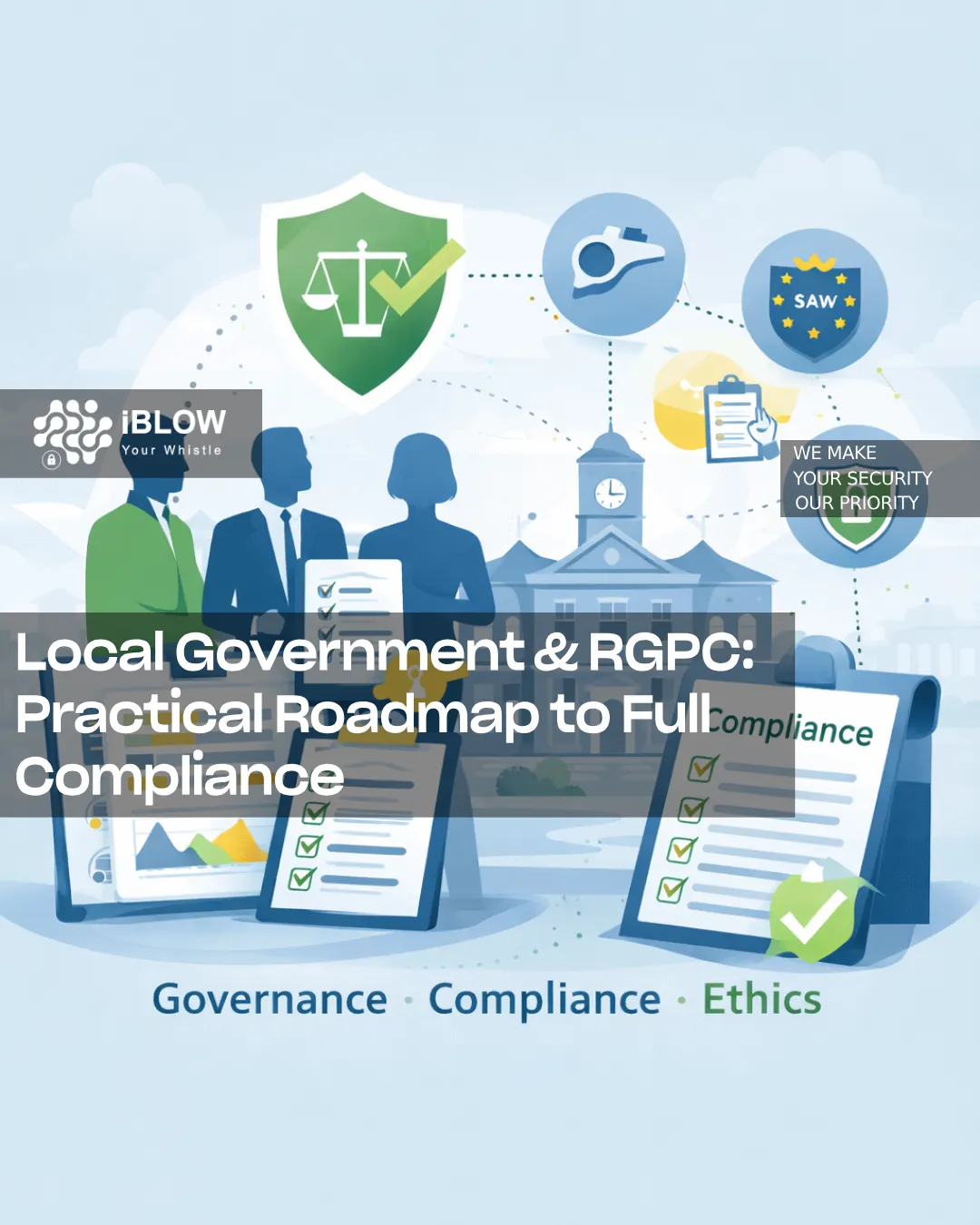
Illustration about RGPC compliance in local government, focused on ethics, whistleblowing channels, governance and internal controls

Local Government & RGPC: Practical Roadmap to Full Compliance

RGPC Practical Roadmap For local authorities, RGPC compliance should never be treated as a paperwork exercise. Portugal’s General Anti-Corruption Regime applies to local authorities and other public entities with 50 or more workers, but the law also makes it clear that public bodies falling outside that threshold should still adopt

Read More »
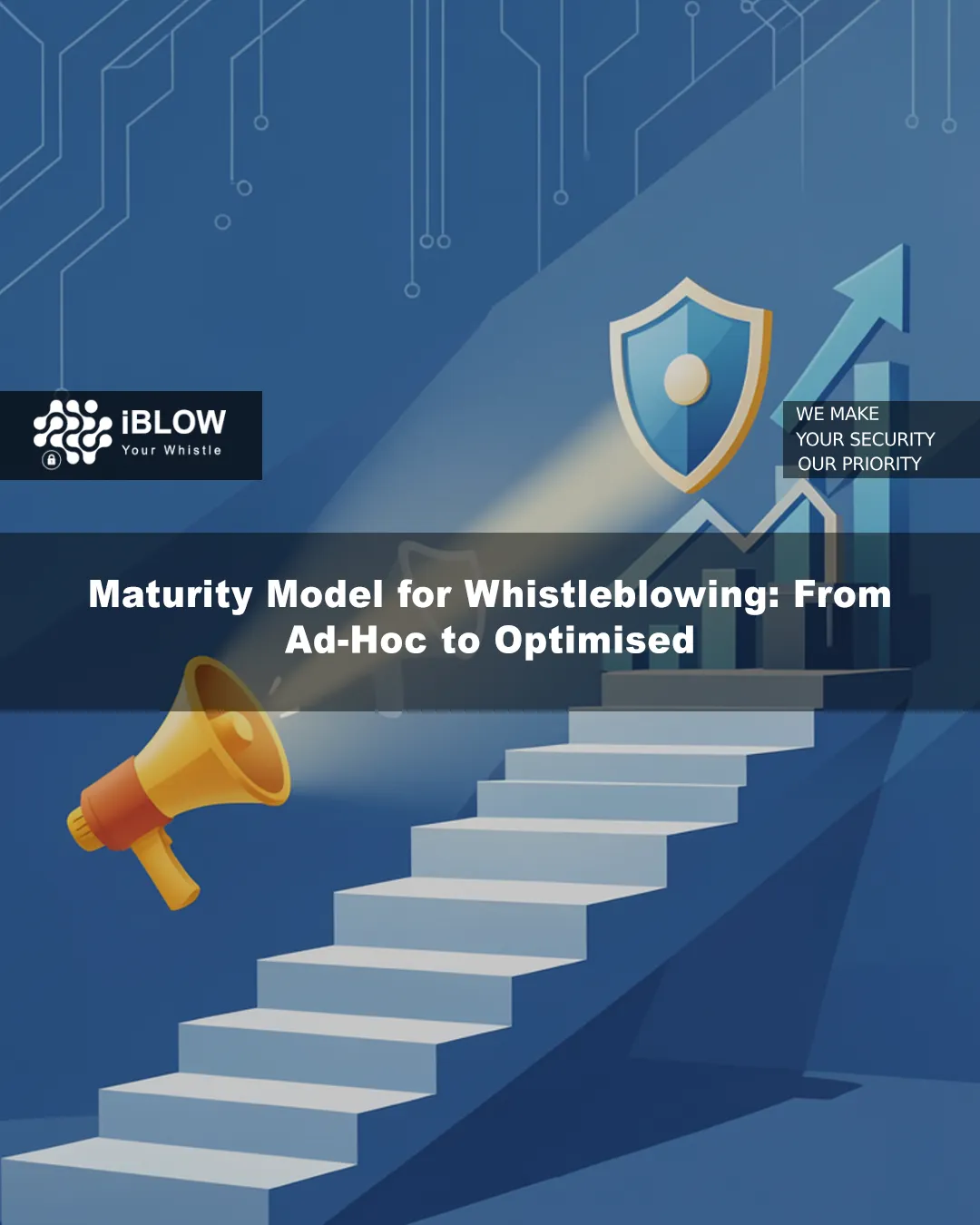
Whistleblowing maturity model staircase showing progress from ad-hoc to optimised reporting and case management

Maturity Model for Whistleblowing: From Ad-Hoc to Optimised

What is this Maturity Model, applied to whistleblowinng? Most organisations do not start with a “mature” whistleblowing programme. In reality, many begin with an improvised setup: a generic inbox, a policy that is rarely communicated, undocumented triage criteria, and unclear responsibilities split across compliance, HR and legal. In a high-sensitivity

Read More »
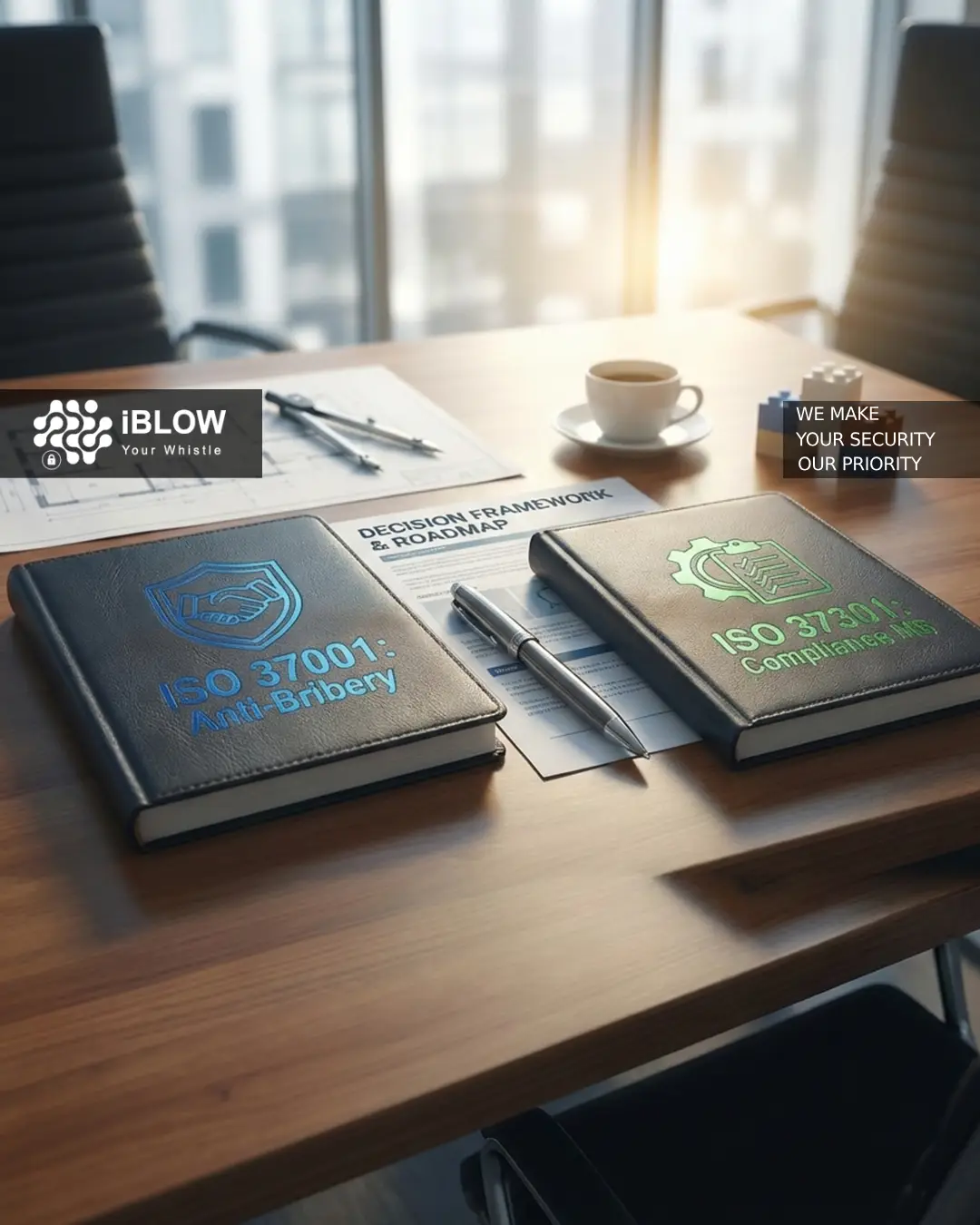
Anti-bribery ISO 37001 or ISO 37301 compliance management books on a desk with a decision framework and roadmap document

ISO 37001 or ISO 37301: What to Certify First (and Why)

If you’re a Compliance Manager, you’ve likely faced this exact situation: leadership wants a certification “quickly”, commercial teams want something that signals trust to customers, and auditors want evidence that your compliance programme is more than a PDF policy. The most common question is: (Anti-Bribery) ISO 37001 or ISO 37301 (Compliance

Read More »
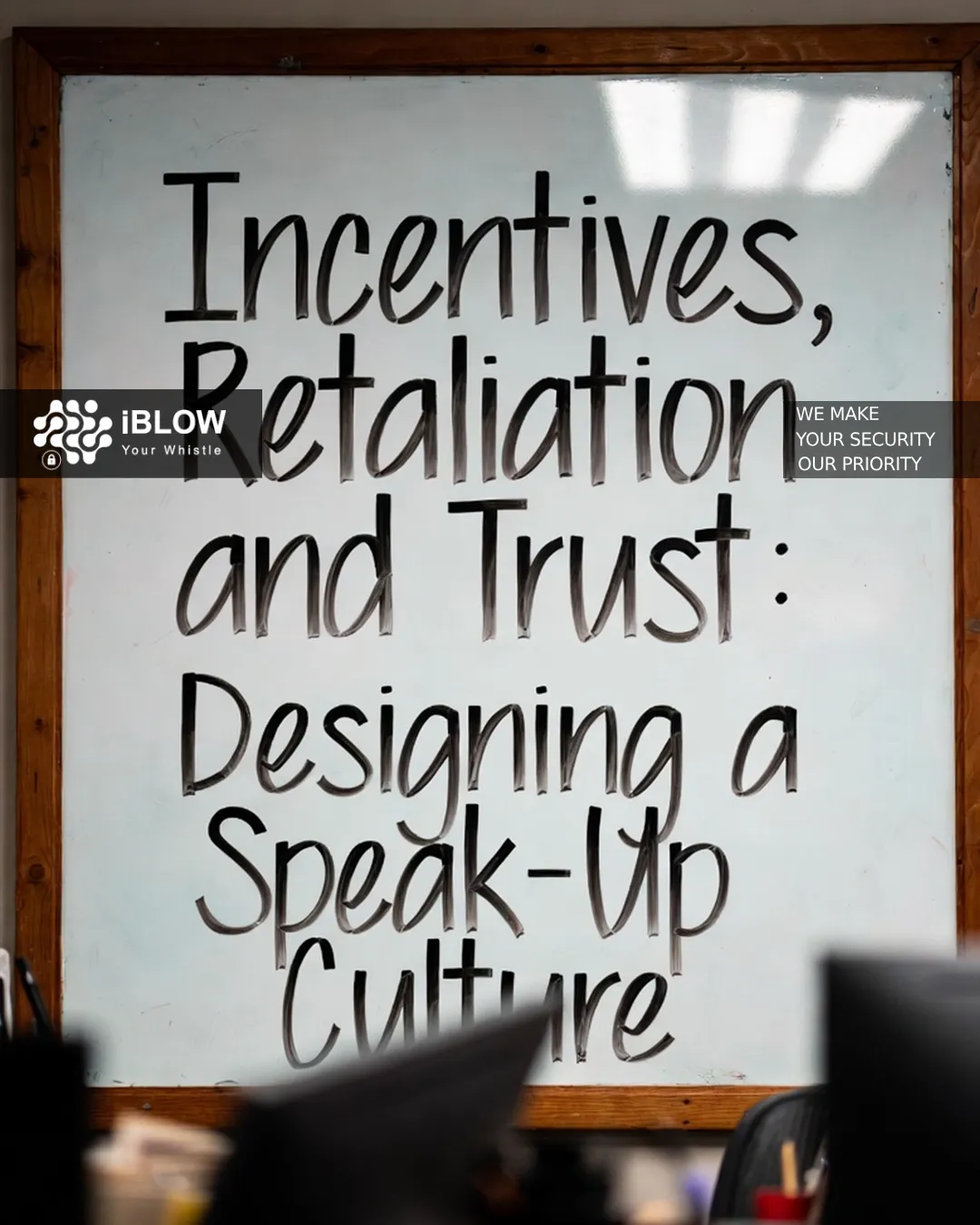
Whiteboard with “Incentives, Retaliation and Trust: Designing a Speak-Up Culture” for whistleblowing and compliance culture

Incentives, Retaliation and Trust: Designing a Speak-Up Culture

Why most reporting channels fail (even when they “tick the legal box”) Many organisations launch a whistleblowing channel because it’s required, add a link to the footer, and move on. Predictably, they get low usage, late reporting, fear of consequences, and little confidence in outcomes. A speak-up culture is not

Read More »